Help Dogs & Cats Handle Stress: Travel, Storms, Visitors
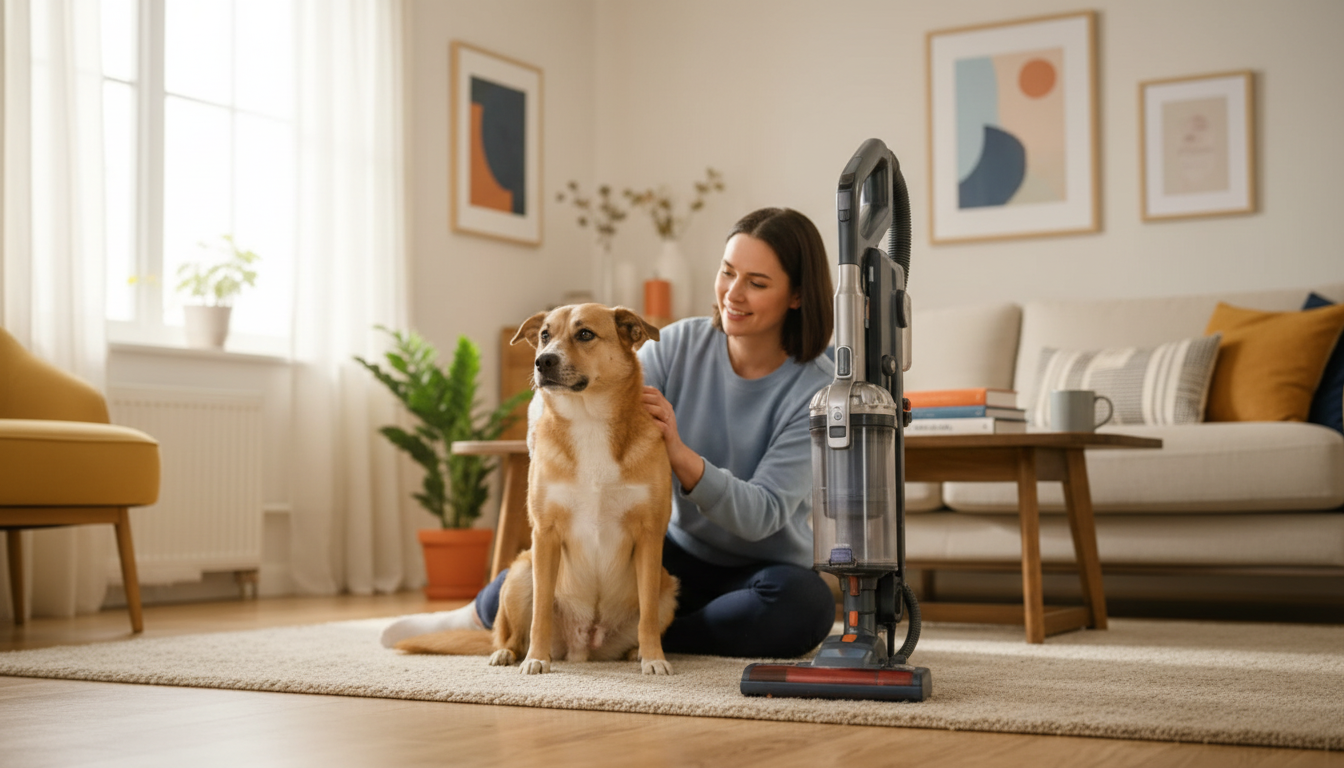
Ruff Days Or Cat-astrophies? How To Help Pets Handle Stressful Situations
Pets don’t always show stress the way humans do. A dog might pant, pace, or suddenly cling, while a cat may hide, swat, or stop using the litter box. The goal isn’t to “push through” the moment—it’s to help them feel safe and predictable, especially during common triggers like travel, visitors, grooming, storms, fireworks, or changes at home.
How can you tell when a pet is stressed?
Look for a cluster of signals rather than one behavior. Dogs may yawn repeatedly, lick lips, shake off when they’re not wet, pin ears back, or refuse treats. Cats often crouch low, flatten ears, flick tails, overgroom, or suddenly become withdrawn. If stress signs are intense, frequent, or paired with vomiting, diarrhea, or aggression, a vet check can rule out pain or illness.
What helps pets cope in the moment?
Start by lowering the pressure. Create distance from the trigger when possible, reduce noise and activity, and offer a quiet “safe zone” like a covered crate for dogs or a small room/hideaway for cats. Keep your voice calm, move slowly, and avoid forced interactions. For dogs, simple cue-based games (touch, find-it) can redirect focus; for cats, offering a high perch or hiding spot supports their natural coping style.
How do you prevent stress before it starts?
Practice gentle desensitization: expose your pet to a mild version of the trigger, pair it with something they love (treats, play), then gradually increase intensity over time. Maintain predictable routines for meals, walks, and play. Before known stressors (travel days, parties), add extra exercise for dogs and extra play sessions for cats to burn off nervous energy. Calming tools like pheromone diffusers, anxiety wraps, or enrichment puzzles may help some pets.
When should you consider professional help?
If your pet panics, becomes destructive, shows severe reactivity, or can’t recover after the stressor passes, consult a veterinarian and a qualified behavior professional. Medication, behavior plans, and environmental changes can be combined for safer, faster progress.
For a deeper walkthrough and practical ideas, visit the full guide: Ruff Days Or Cat-astrophies? How To Help Pets Handle Stressful Situations.
FAQ
Can calming treats help pets during fireworks or thunderstorms?
They can help some pets when used early and paired with a quiet safe space, but results vary by ingredient and individual sensitivity. Check dosing carefully and talk with a vet if your pet has medical conditions or takes other medications.










Leave a comment