Pet Road Trip Checklist: Pack Smart for Dogs & Cats
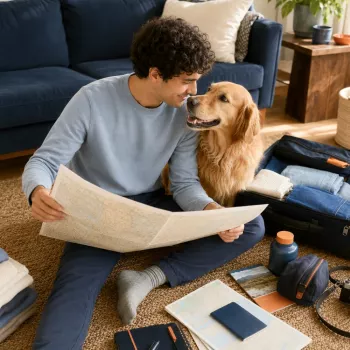
Pet Travel Essentials Checklist for Safer, Calmer Road Trips and Vacations (Dogs & Cats)
A smooth trip with pets comes down to preparation: the right documents, the right safety gear, and a packing routine that prevents last-minute scrambling. Use the checklist sections below to plan ahead, pack efficiently, and keep dogs and cats comfortable from departure to arrival—whether it’s a weekend drive or a longer vacation.
Before You Go: Health, ID, and Travel Readiness
Start planning early enough to handle the “paperwork and prevention” details that are easy to overlook when you’re focused on packing. If your pet hasn’t been examined recently—or if you’re traveling long distances, to higher elevations, or during extreme heat/cold—schedule a vet visit so you can discuss motion sickness, anxiety, and destination-specific risks.
- Confirm core vaccinations are current, and ask about timing for flea/tick and heartworm prevention based on where you’re headed.
- Check that your pet’s microchip is registered with your current phone number, and that the collar ID tag is readable.
- Pack a recent photo of your pet (helpful if you need to make a lost-pet post quickly).
- Bring copies of records (paper + digital): vaccination history, prescriptions, and notes for any chronic conditions.
- If you’re booking lodging, verify pet fees, weight limits, room rules, and where the nearest relief area is before you arrive.
For additional guidance on safe pet travel and animal entry rules, review the American Veterinary Medical Association (AVMA) pet travel tips and the CDC guidance on traveling with pets.
Car Safety Setup: Secure Restraints and Comfortable Space
Your car should function like a “mobile safe room”: pets secured, airflow steady, and distractions minimized. A roaming pet can become a projectile in a sudden stop and can also distract the driver, so containment is about safety for everyone in the vehicle.
- Use a crash-tested harness with a seatbelt attachment or a secured carrier/crate; avoid letting pets ride loose.
- Position carriers on a flat surface and secure them so they don’t slide; keep cats in carriers for the entire drive.
- Set climate control before loading pets; never leave pets unattended in a parked car, even with windows cracked.
- Use window shades if direct sun hits your pet, and keep fresh airflow without a strong draft aimed at the face.
- For anxious travelers, do a short practice ride and reward calm behavior, gradually increasing ride length.
If you’re crossing state lines or combining car travel with other transportation plans, the USDA APHIS pet travel resources can help you confirm documentation expectations and destination rules.
Printable Packing Table: Essentials for Dogs and Cats
Copy, print, or save this table as a quick pack-and-check reference. It’s designed to cover everyday needs plus the “oh no” moments—spills, muddy paws, delayed arrivals, and unexpected weather shifts.
| Category | Pack These Items | Notes |
|---|---|---|
| Documents & ID | Vet records, microchip info, recent photo, emergency contacts | Keep one set in the car and one in luggage |
| Food & Water | Food (extra 2–3 days), collapsible bowls, bottled/filtered water | Sudden water changes can upset stomachs |
| Medications | Daily meds, flea/tick preventives, pill pockets, dosing schedule | Pack in original bottles when possible |
| Safety & Containment | Harness/leash, backup leash, carrier/crate, seat cover | Bring a spare clip/carabiner if you have one |
| Comfort | Blanket/bed, favorite toy, calming wrap/spray (if used) | Familiar scents reduce stress |
| Clean-up | Poop bags, paper towels, enzyme cleaner, trash bags | Include lint roller for fur |
| Hygiene | Wipes, brush, towel, paw balm (hot/cold climates) | Great after muddy stops |
| Litter (Cats) | Portable litter box, litter, scoop, spare liner bags | Offer litter breaks in a closed vehicle space |
| Outdoor Protection | Tick remover, pet-safe sunscreen (as advised), booties | Especially for hikes and beach days |
| Emergency Kit | First-aid basics, gauze, antiseptic wipes, muzzle (dogs), flashlight | Know the nearest 24/7 vet route |
On-the-Road Routine: Breaks, Feeding, and Hydration
Routine is what makes travel feel predictable. Predictability reduces stress, and it also reduces common issues like bolting, carsickness, and “mystery stomach problems” on day two of your trip.
- Plan stops every 2–3 hours for dogs. Leash up before opening doors and choose quieter areas away from traffic.
- Offer small amounts of water frequently. If your pet gets carsick, avoid letting them take a huge gulp right before getting back in.
- Feed lighter meals on travel days and keep normal meal timing when possible to support digestion.
- Keep cats in the carrier. On longer stops, offer water and a litter option in a secure, closed environment (car doors shut).
- Use a “departure scan” at every stop: leash/harness secure, doors closed, carrier latched, ID visible.
Arrival Checklist: Pet-Proofing the New Space
New places come with new escape routes. Before you let your pet explore, do a quick safety sweep so the first moments feel calm—not chaotic.
Printable Pet Travel Planner: A Simple Way to Stay Organized
Helpful downloads for trip planning
- Printable pet travel essentials checklist and planner (quick pack-and-check pages for dogs & cats)
- Digital national parks guide for pet-friendly trip inspiration (easy ideas for scenic stops and future vacations)
FAQ
What to pack for a road trip with a dog?
Pack a safety restraint (crash-tested harness or secured crate), leash plus a backup leash, food and water with bowls, poop bags and cleaning supplies, any medications, a small first-aid kit, a familiar blanket/toy, and copies of ID and vet records. Add weather-specific extras like paw protection, a towel for rain, and vet-approved sun protection when needed.










Leave a comment